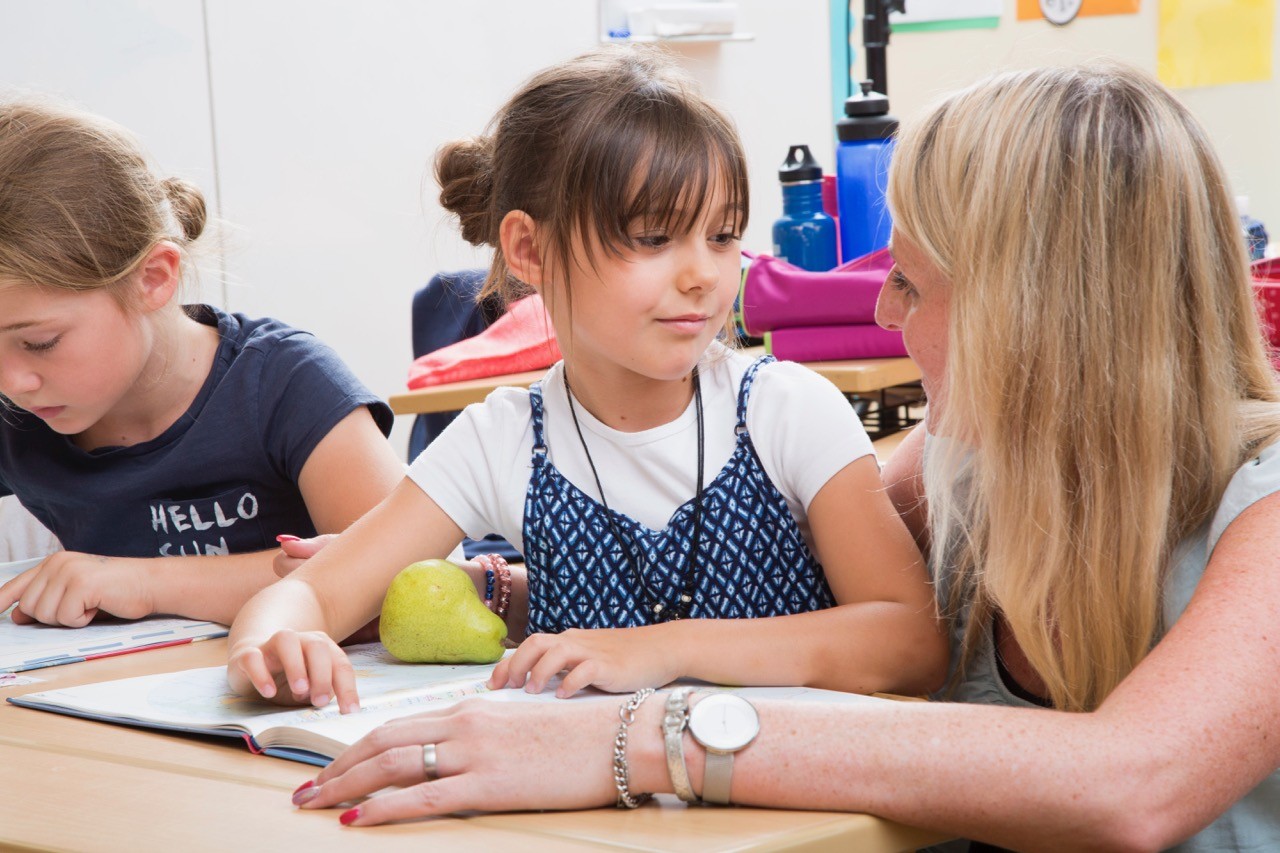
Primary Years Programme – Children enjoy learning English in Primary School

Parents as Partners – How can you support your child as a Primary Years Programme (PYP) parent?

It has always been clear to me, and to us as a school, that a child learns best and is able to grow best when the home-school connection is strong and the school and families have a partnership. In these current COVID times, which do not seem to be ending anytime soon, it is even more vital that we are all working together for the benefit of ‘our’ children.

Many of you, especially parents of lower primary school children, have had much more involvement in your child’s education than you most likely had ever planned on, during last school year. So how can you best support your child in its journey through primary school and the Primary Years Programme?

A while ago I read this great blog post by Taryn Bond Clegg, and the International Baccalaureate (IB) even published an infographic based on her blog . If you follow these approaches at home, you are supporting your child in their journey of becoming a reflective, proactive inquirer. The Primary Years Programme incorporates more than just the content.

I encourage you to read the original blog, but am happy to give you a brief summary.

5 Ways to support your child in the Primary Years Programme at home:

Take an inquiry stance:

  • Meet a question with a question – no matter what the question your child asks, meet it with a question. For example the question ‘How do airplanes fly?’ could be met with ‘How can we find out?’, ‘What do I have to do on this worksheet?’ could receive the answer ‘What do you think?’ . This way children learn not to rely on us for the answers and to take responsibility for their own learning.
  • Ask the magic question ‘What do you notice?’– this works with just about anything. Looking at multiplication tables, looking at spelling of words, but also when you are out and about looking at street signs or grocery stores. Asking children this question makes them tune in and look at a situation with a scientific mind.
  • Model being a learner not an expert – you do not need to know everything, just model that you can find ways to find out about anything.

Support conceptual understanding:

  • Value the process – ask your child how they did something. How did you do that? What strategy did you use? What did your brain do?
  • Use the key concepts – the PYP focuses on 7 key concepts. Each concept is connected to a question. You can ask these questions to encourage your child to make conceptual understandings about everything.
    Form – What is it like?
    Function – How does it work?
    Connection – How is it connected to other things? How is it connected to something you already know?
    Perspective – What are the other points of view?
    Responsibility – What is our responsibility?
    Change – How does it change?
    Perspective – What are the different points of view?

Prioritize Reflection:

  • Reflection – How well did you understand? How did you know? How could you improve?
  • Get them thinking about their thinking – Ask questions like: How did you know? What makes you say that?

Support your child’s agency:

  • Invite their voice – what do you like/not like about learning? Listen to what they want to learn about!
  • Support choices – Let your child make choices they are able to make on their own – especially about their learning. Follow up on choices. Would you make the same choice again?
  • Emphasize ownership – It’s your learning. You are in the driver’s seat.

Be purposeful with your feedback:

  • Try to give feedback beyond the moment: Mathematicians use manipulatives to help them solve problems, let’s check your answer that way.

By using some of these simple strategies to support the Primary Years Programme, we – as a school/home team – are continuing to ensure that ‘our’ students become independent, successful learners!

Leonie Julien, Bilingual Primary School

Find out more about the Primary Years Programme in our Bilingual Primary School

Date Published: September 9, 2021
WhatsApp
Facebook
X
Email
LinkedIn
More Articles
logo
Grades at IB Schools
How do IB schools like CIS assess students without traditional grades? Discover how we use evidence-based assessments, i...
June 18, 2025
logo
ES IST OFFIZIELL - Die CIS wird eine IB-Schule!
Die Cologne International School ist stolz darauf, ihre offizielle Ernennung zur International Baccalaureate (IB) Contin...
January 17, 2025
logo
IT'S OFFICIAL - CIS Becomes An IB Continuum School!
Cologne International School is proud to announce its official designation as an International Baccalaureate (IB) Contin...
January 17, 2025
logo
How To Protect Children From Bullying
With 43% of tweens and up to 95% of teens owning smartphones, many might not be prepared for online dangers like bullyin...
June 20, 2024
logo
How To Make A School A Feel-Good Place
Many pupils experience exam anxiety, performance pressure, and social stress, which can lead to physical and psychologic...
June 7, 2024
logo
What Does It Mean To Be A Global Citizen?
Delve into the compelling journey of Grade 6 students as they explore the concept of global citizenship in their Individ...
April 9, 2024
logo
CIS Boarding House: Feels Like Home
In our boarding house, we promote a modern boarding school life. This means that the students actively participate in sh...
November 24, 2023
logo
CIS Internat: Fühlt sich an wie Zuhause
In unserem Internat fördern wir ein modernes Internatsleben. Das heißt, dass die Schüler*innen aktiv das Gemeinschaftsle...
November 23, 2023
logo
Tai-Chi an der Cologne International School
Hinter Tai-Chi steckt viel mehr als Meditation und Bewegung. Es ist ein Weg, um innere Balance zu finden und ein gesunde...
October 25, 2023
logo
Ghana Student Exchange Program
Today, I invite you on this journey as I recall our recent student exchange program between our school in Cologne and ou...
September 28, 2023
Quick Links
Home About+ Academics + Boarding House+ Admissions+ School Life + Community+ Parent Portal+ Contact
Quick Links
logo

Information Evenings 2025

Attend our Online Information Evenings on Google Meet to explore our educational approach, learn about our programs, and speak with our school leadership directly. We’d love to meet you!

Amazon Jungle

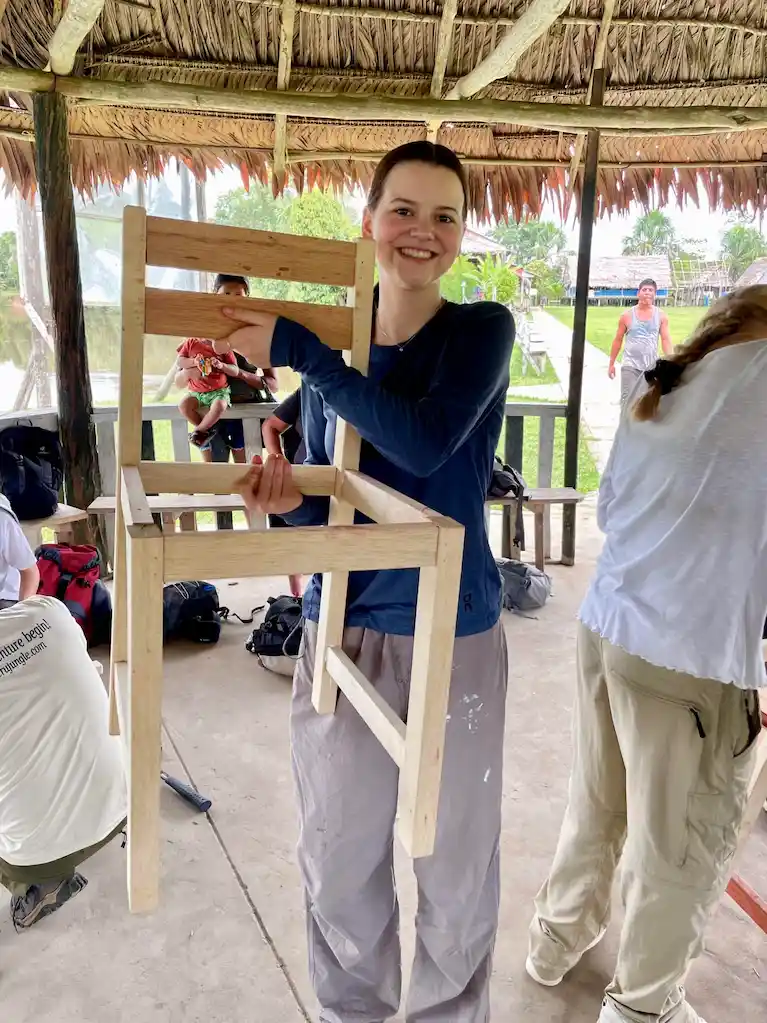
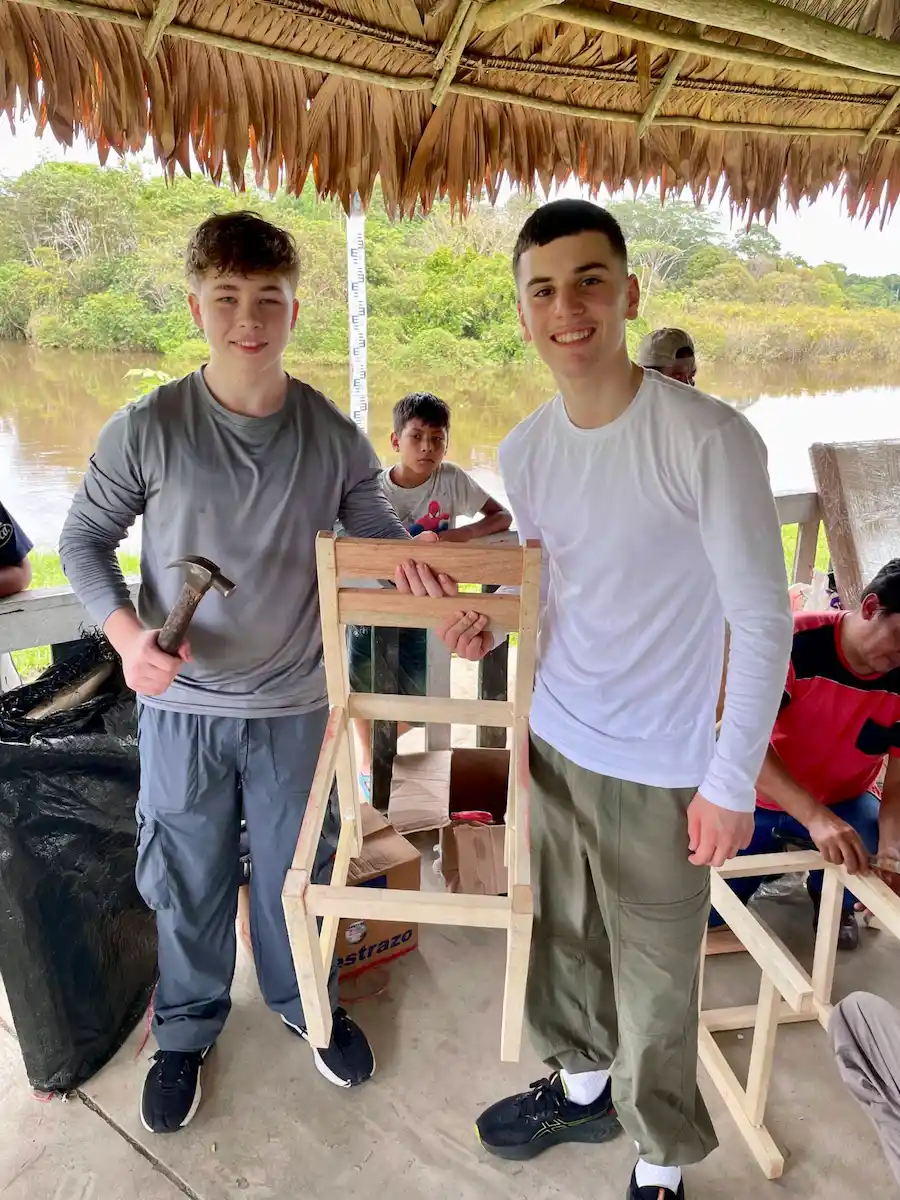
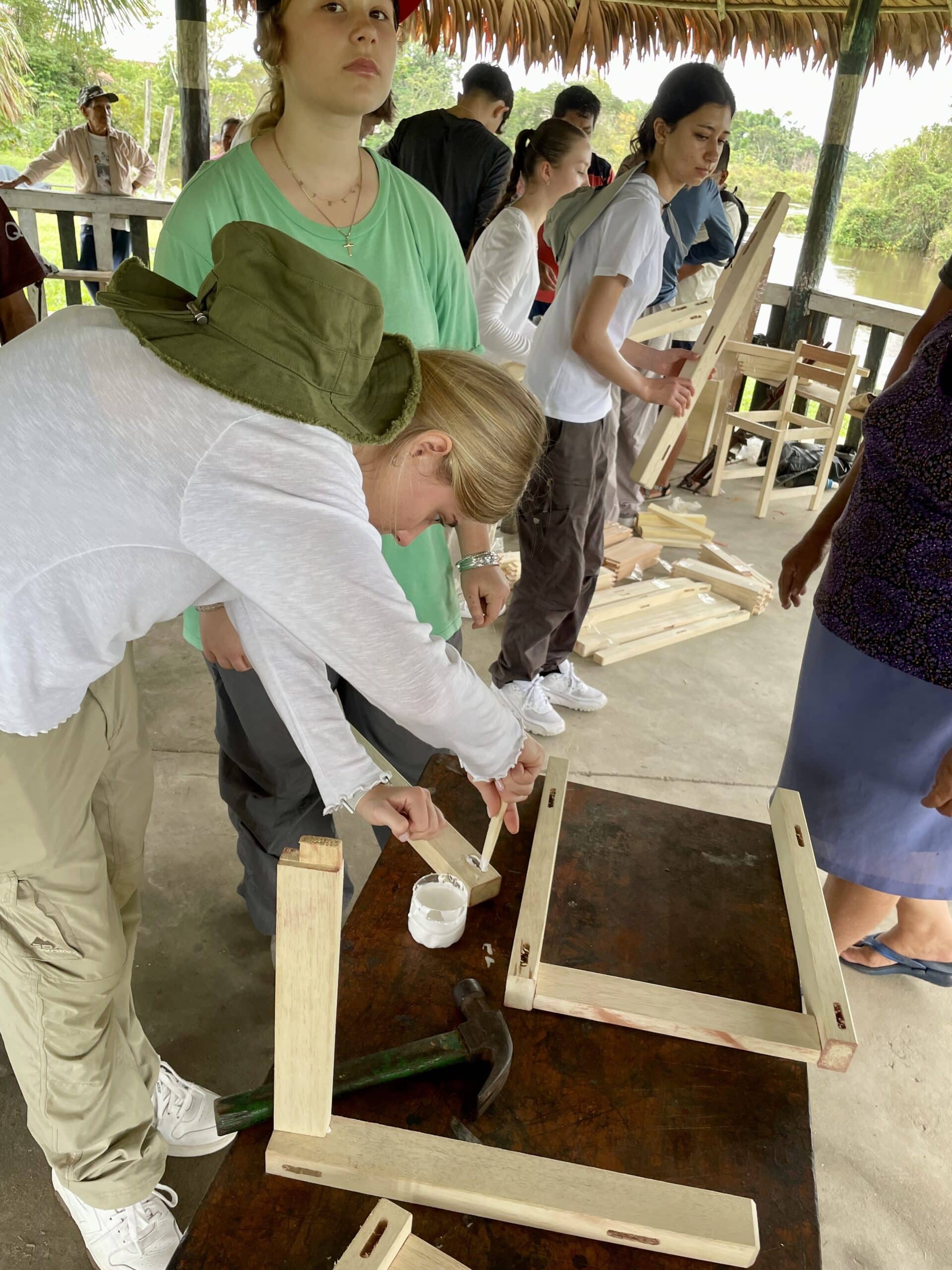
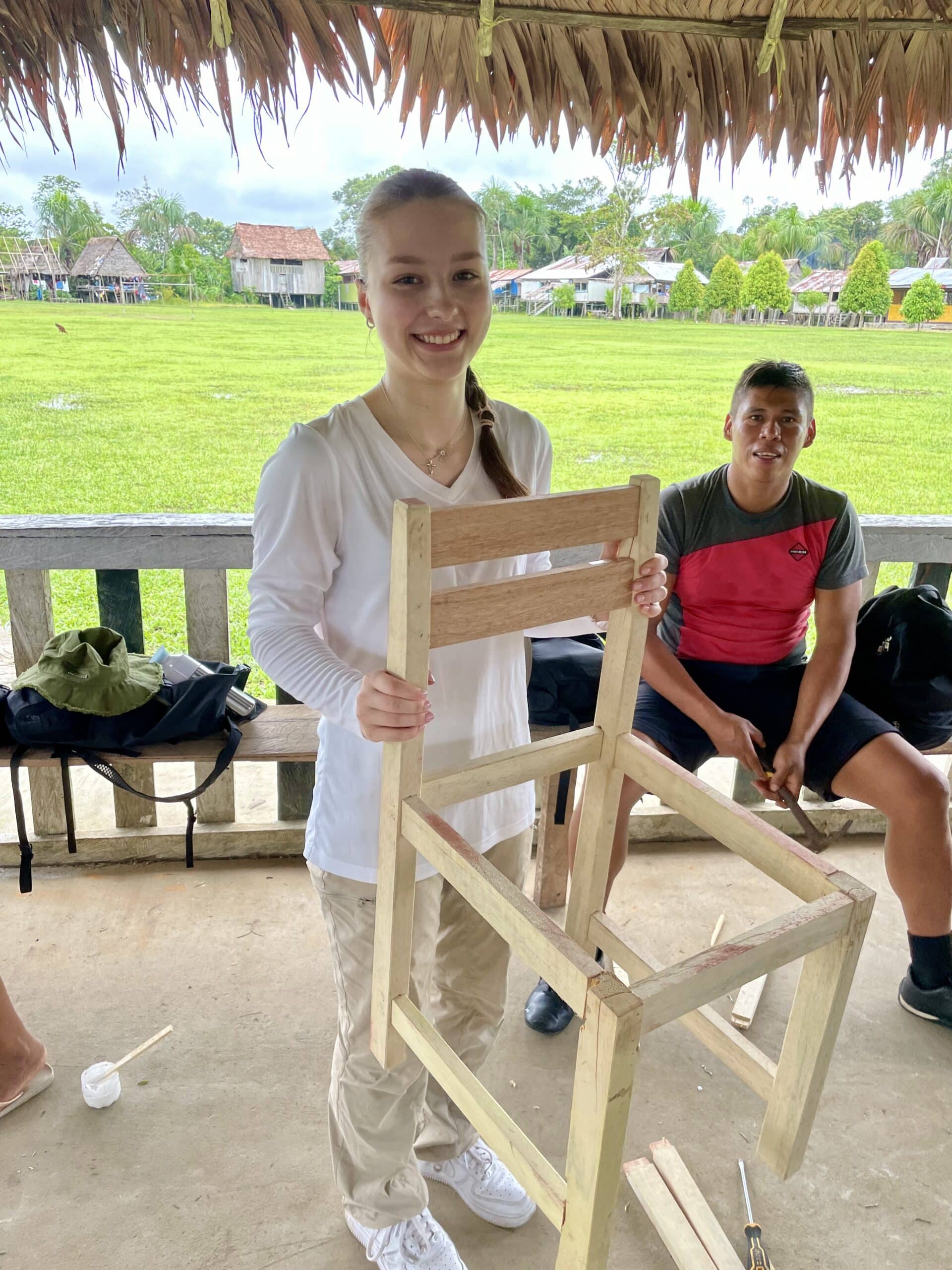
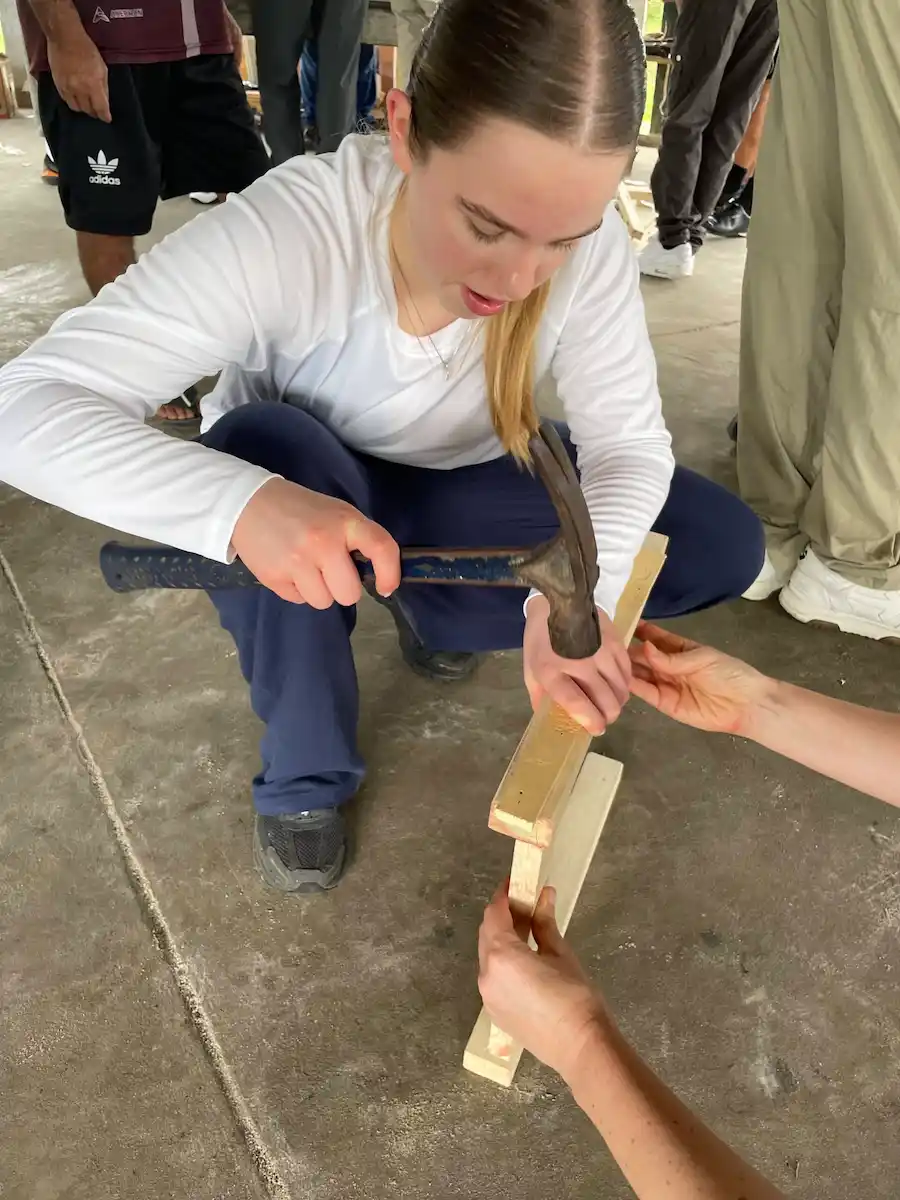
Throughout February, 2024, 25 of our CIS students embarked on a long journey to the Amazon Jungle in Iquitos, Peru. Students worked hard the previous months to raise funds to be able to create their community service project with the local communities of El Chino in the Tahuayo Region of the Amazon basin. Once there, our 25 students, along with our three teachers and the guides at the lodge they stayed in, participated in a whole day community service project where students built two complete Primary School classrooms. Our students built 20 desks and 20 chairs from scratch with the help of the local community and finished the day by putting the new furniture inside the classrooms. Thanks to this initiative, the students were able to fill up two classrooms that are now providing full day education to the children of the community. At CIS, one of our pillars of excellent education is understanding the privilege that comes with being an IB student and an international school student, and the importance of being global citizens. With this, comes the responsibility of being stewards of the communities that inhabit this world and the importance of giving back and being change makers!
Time Monday Tuesday Wednesday Thursday Friday
08:15 - 09:45Targeted LearningSpanish / French / EALMathThe ArtsHumanities
09:45 - 10:15Snack & Break
10:15 - 11:15HumanitiesThe ArtsEnglishEnglishPersonal Growth
11:15 - 12:15MathEnglishScienceScienceGerman / GAL
12:15 - 13:15Science
13:15 - 13:45Lunch & Break
13:45 - 14:15Spanish / French / EALHomeroomGerman / GALSportMath
14:15 - 15:15German / GALClubsClubsClubsClubs
15:15 - 16:45ClubsCubsClubsClubsClubs
logo
IB Primary Years Programme (PYP)
IB Middle Years Programme (MYP)
logo
IB Diploma Programme (DP)
logo